2 - Television Review
True Beauty: Anime & K-Drama
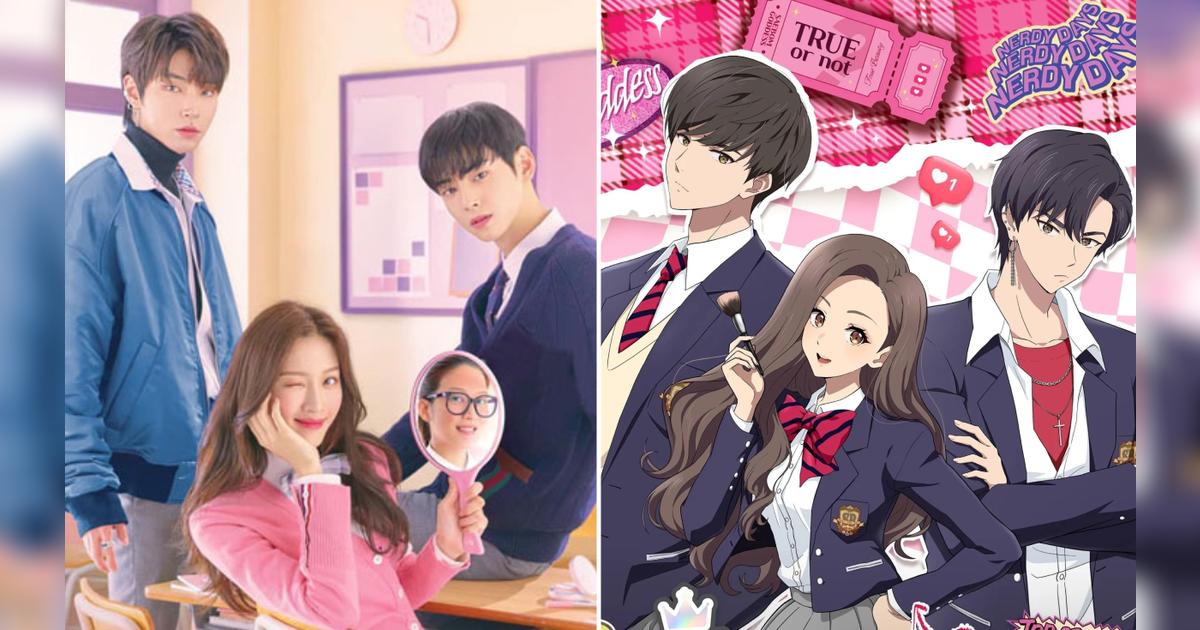
True Beauty, originally a webtoon by Yaongyi, has captivated audiences worldwide with its engaging story about beauty standards, self-acceptance, and romance. While the WEBTOON set the foundation for the story, the live-action K-drama (2020) and the anime adaptation (2024) have each brought their own interpretation to the beloved series.
Both adaptations have strengths and weaknesses, with the K-drama taking a more romanticized, comedic approach and the anime staying more faithful to the original narrative while enhancing emotional depth through animation. In this review, we’ll compare how the anime and drama handle storytelling, character development, romance, and visual execution.
1. Storytelling and Pacing
K-Drama
The K-drama heavily altered the story’s pacing and structure, emphasizing romantic tension and dramatic conflicts over Ju-kyung’s self-growth. The series added new characters and exaggerated love triangle moments to fit the classic K-drama formula. The pacing was fast, comedic, and lighthearted, often shifting focus from Ju-kyung’s personal struggles to her romantic relationships.
Anime
The anime follows a more structured and faithful adaptation of the webtoon’s coming-of-age themes. While some arcs were condensed for pacing, it preserves Ju-kyung’s personal development, struggles with beauty standards, and career aspirations more than the drama. The anime also balances emotional depth with humor rather than relying on exaggerated tropes.
Winner: Anime (More Faithful), K-Drama (More Entertaining)
2. Character Development
K-Drama
The drama romanticized Ju-kyung’s transformation, making her more of a bubbly rom-com protagonist rather than a deeply insecure individual working toward self-acceptance. While her struggles with bullying were present, the drama prioritized her love life over her journey to confidence. Su-ho was written as a gentler and more soft-hearted male lead, while Seo-jun was turned into the ultimate second-lead heartthrob, making the love triangle a central plot point.
Anime
The anime excels at emotional depth, portraying Ju-kyung’s self-doubt and gradual confidence-building more authentically. The internal monologues and expressive animation allow viewers to feel her insecurities and struggles, making her growth feel more natural. Su-ho retains his brooding yet kind personality, while Seo-jun’s arc is given more weight, making his feelings and sacrifices more impactful.
Winner: Anime (Best Character Growth), K-Drama (More Romanticized)
3. Romance and Love Triangle
K-Drama
The drama amped up the love triangle, giving Seo-jun more romantic moments and emotional weight than in the original story. The result? One of the strongest second-lead syndromes in K-drama history. The romantic interactions were dramatic, trope-filled, and full of longing stares and emotional OSTs, making the romance intense and entertaining.
Anime
The anime stayed true to the webtoon’s slow-burn romance, making Ju-kyung and Su-ho’s relationship feel more emotional and realistic. While Seo-jun still plays a major role, the anime doesn’t over-dramatize his one-sided love as much as the drama does. The romance feels more natural and balanced, rather than exaggerated for dramatic effect.
Winner: K-Drama (Most Romanticized), Anime (More Natural)
4. Visuals and Art Style
K-Drama
The drama had to translate the webtoon’s stunning visuals into real life, which meant some compromises. While the fashion and makeup were on point, some fans felt that the casting didn’t fully match the original character designs. However, the drama excelled in stylish cinematography, using lighting and framing to enhance the story’s romantic appeal.
Anime
The anime perfectly captures the aesthetic of the webtoon, using fluid animation and expressive character designs to highlight Ju-kyung’s beauty transformations, emotions, and insecurities. The visual storytelling enhances the humor and emotional depth, making the anime the most visually faithful adaptation.
Winner: Anime (Most Visually Accurate), K-Drama (More Cinematic)
Final Verdict
| Category | Winner |
|---|---|
| Storytelling & Pacing: | Anime (More Faithful), K-Drama (More Entertaining) |
| Character Development: | Anime (Best Growth), K-Drama (More Romanticized) |
| Romance & Love Triangle: | K-Drama (More Dramatic), Anime (More Realistic) |
| Visuals & Art Style: | Anime (Best Adaptation), K-Drama (More Cinematic) |
Both the anime and K-drama bring something different to True Beauty. If you love dramatic, trope-filled romance with intense second-lead syndrome, the K-drama is perfect. If you prefer a more faithful, emotional, and well-paced adaptation, the anime is the better choice.


Comments
Post a Comment